
Cerebral palsy is a term that describes a group of disorders affecting the normal development of movement and posture. CP is caused by injury to the brain that occurs before, during, or up to two years after birth. These injuries can include infection, stroke, trauma, or the loss of oxygen. Damage to the brain does not get worse after the initial injury. However, the ability to do day-to-day activities that are affected by the injury can worsen as a person grows.
People with CP may have trouble seeing, hearing, feeling touch, thinking, or communicating. They also may have seizures. Difficulties can range from mild to severe.
CP affects approximately four infants in every 1,000 born in the US The number of children diagnosed with CP has grown in recent years. This increase is a result of the improved survival rate of premature babies and those born with low birth weight. The average life expectancy of adults with CP has increased as well. People with CP can benefit from physical therapy during all the stages of their lives.
Physical therapists are experts in helping people with CP improve their physical functions. They help them stay active and healthy, and perform daily tasks like walking, using a wheelchair, and moving from a wheelchair to and from a bathtub, bed, or car. Physical therapists also can help children and families get equipment to support someone with CP.
Physical therapists are movement experts. They improve quality of life through hands-on care, patient education, and prescribed movement. You can contact a physical therapist directly for an evaluation. To find a physical therapist in your area, visit Find a PT.
Cerebral palsy is a broad term. It is caused by an injury to the developing brain and describes the effects on the development of motor skills (movements). There are several types of CP. These types are named based on the type of movement problem and the areas of the body affected. They are:
Symptoms of CP differ from one person to the next. They can appear as early as when a baby is just a few months old. Usually, parents notice symptoms before a child is two years old. Early symptoms may include:
Other symptoms of CP related to movement can include:
Other symptoms of CP can include:
A child’s doctor may notice a delay in movement and refer the child to a physical therapist. If a child is seeing a physical therapist but does not have a diagnosis, the physical therapist may recommend that the parents contact their child’s pediatrician.
If CP is suspected, your child’s physical therapist will conduct a medical history. They will ask questions about the mother’s pregnancy, the birth, and the general health of the child. They also will ask about your concerns. As part of a thorough evaluation, your physical therapist will:
Your child’s physical therapist will work together with your child’s doctor, who may order further tests. These could include blood work or imaging scans (MRI or CT) to reach a final diagnosis.
A physical therapist is a valuable partner in the health and fitness of anyone who has CP. Physical therapists help people with CP gain strength and movement to function at their best through all the stages of life.
Physical therapists provide care at different stages in each person’s development. They tailor care to the unique needs of each individual. Physical therapists work together with other health care providers to address the needs as treatment priorities change. Other health care providers who may work with your physical therapist include speech/language pathologists or occupational therapists.
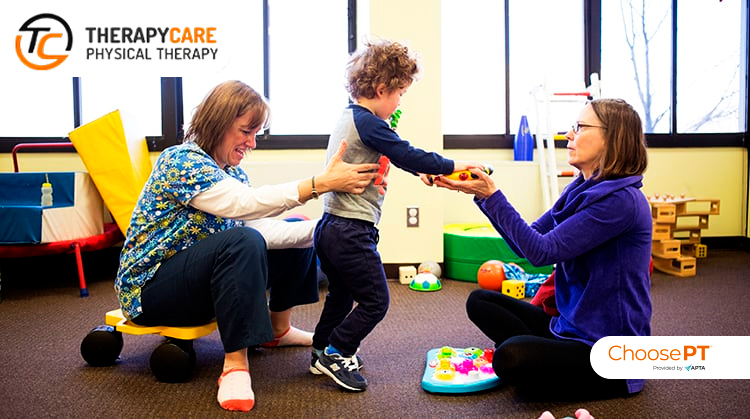
Physical therapists help caregivers support their child’s movement development. They provide hands-on training for positioning, movement, feeding, play, and self-calming. Your physical therapist also will suggest changes at home to encourage movement development as well as communication, hearing, vision, and play skills. It is through play that young children learn many skills. Your child’s physical therapist will develop an individual program of fun play activities that match your child’s specific needs. The goals of the program are to improve strength, movement, and function. At this age, children usually receive physical therapy at home, in a day care center, or an outpatient clinic. Your physical therapist will work with you to modify the treatment program as your child develops.
Physical therapists train caregivers to help a child with CP achieve functional goals. Physical therapy promotes the highest quality of life through all stages of development. The treatment plan and goals will change as your child ages. Preschool and school bring challenges for your child to move within new settings each year. At this stage, children experience growth spurts and require adjustments to physical therapy and any equipment used to help the child. A child may receive physical therapy at the school, in the community, or both, depending on their needs. School-based physical therapy focuses on making changes to give your child the best possible learning environment.
Your child’s PT will encourage mobility and fitness. They also will help your child manage muscle and joint pain. Physical therapists recommend braces and other helpful equipment to maintain health and function. Physical therapy also teaches parents and helps people with CP develop strategies to address self-care, maintain daily routines, and be social and active. This will help you and your child plan for school and future careers.
Physical therapy for adolescents with CP focuses on preventing posture problems and joint mobility limitations. Adolescence is the age and stage of life to form lifelong healthy habits. Developing a personal fitness program can improve the health and function of people with CP for the rest of their lives. Children with CP are at a higher risk for not exercising and getting enough activity. Physical inactivity can lead to weight issues and medical problems. These issues can have a big impact on the quality of life for the child and their caregivers. Physical therapists are skilled in developing individual exercise programs. They consider each person’s interests, strengths, and abilities. A physical therapist might recommend sports such as bowling, swimming, cycling, volleyball, tennis, or basketball to promote physical fitness and participating in social events with peers.
Many individuals with CP live highly functional lives as adults. They often enjoy careers and families. Physical therapy for adults with CP often focuses on:
Physical therapists can form long-term relationships with their clients to help manage concerns such as these. Adults with CP often have muscle and joint pain in adulthood. Physical therapists can prescribe exercise routines that enable them to stay strong and reduce joint issues. For example, aquatic therapy can benefit adults with CP.
Physical therapists are skilled in helping people with CP in all of these areas. They partner with them and their caregivers to address their individual goals for realistic, positive outcomes.
All physical therapists are prepared through education and experience to treat patients with cerebral palsy. However, you may want to consider:
You can find physical therapists who have these and other credentials by using Find a PT, the online tool built by the American Physical Therapy Association. This tool will help you search for physical therapists with specific clinical expertise in your local area.
General tips when you’re looking for a physical therapist (or any other health care provider):