
Physical Therapy Guide to Calf Strain
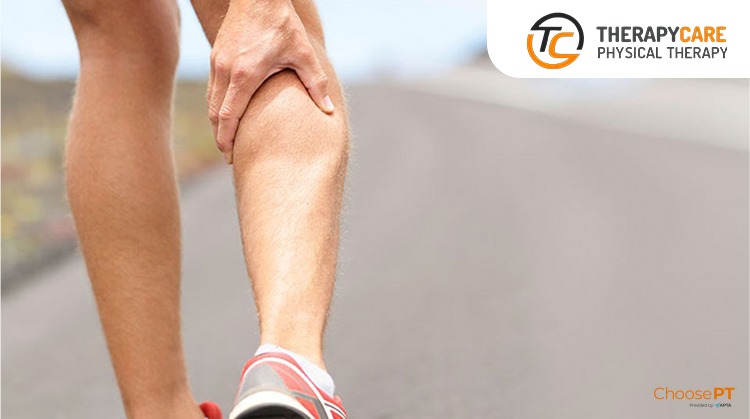
The calf consists of 9 different muscles. The gastrocnemius and soleus are the largest and most active muscles in the region. They work along with the plantaris muscles, which attach to the heel bone. The other 6 muscles in the calf help promote knee, toe, and foot movements.
A calf strain is caused by overstretching or tearing any of the 9 muscles of the calf. It can happen suddenly, or develop slowly over time. Walking, climbing stairs, or running can be painful, difficult, or impossible with a calf strain.
A muscle strain is graded according to the amount of muscle damage that occurs. The grades are:
- Grade 1. A mild or partial stretch or tearing of a few muscle fibers. The muscle is tender and painful, but maintains its normal strength. Leg use is not limited, and walking is normal.
- Grade 2. A moderate stretch or tearing of more muscle fibers. The muscle is more tender, and there is pain. There is a loss of strength. Sometimes bruising will occur. Leg use is limited and limping when walking is common.
- Grade 3. A severe tear of the muscle fibers. This can include a complete muscle tear. Bruising is visible. Sometimes a “dent” is noticeable beneath the skin where the muscle is torn. Leg use is extremely difficult. Putting weight on the leg is very painful.
A strained or torn muscle can cause bleeding, which results in bruising. A severe calf strain can cause bruising that extends around the ankle or foot. Within a few hours of the injury, swelling can occur. The injured area expands and will become stiff.
How Does It Feel?
With a calf strain, you may experience:
- Sharp pain in the back of the lower leg. The pain can resolve quickly or last for a while.
- Throbbing pain at rest, with sharp stabs of pain when you try to stand or walk.
- A feeling of tightness, tenderness, or weakness in the calf area.
- Spasms (a gripping or severe tightening in the calf muscle).
- Sharp pain in the back lower leg when trying to stretch or move the ankle or knee.
- A pulling sensation at the time of injury.
- A “snapping” or “popping” sound at the time of injury.
Signs and Symptoms
With a calf strain, you may notice:
- Swelling in the area of the strain.
- Bruising in the affected area(s).
- Weakness in the calf when trying to walk, climb stairs, or stand.
- You limp when walking.
- You can’t do daily activities that require standing and walking.
- You can’t run, jump, or put weight on the affected leg.
How Is It Diagnosed?
If you see a physical therapist first, they will conduct a thorough initial evaluation. This will include taking your health history. A calf strain may result from a single injury. Often, however, calf strain develops because of repeated activities.
Your physical therapist will gather information about your condition to determine the specific cause of your calf strain. The interview will be specific to you, and may include questions such as:
- Did an injury occur?
- How have you taken care of your calf strain so far? Have other health care practitioners ordered imaging or other tests?
- What are your current symptoms, and how do they affect your day?
- If there is pain, what is the location and intensity of your pain? Does your pain vary during the day?
- What activities, if any, do you find difficult to complete?
- What activities are you unable to complete since your injury?
After the interview, your physical therapist will complete a physical examination. They may:
- Observe your movements (walking, climbing stairs).
- Note any movements that make your symptoms worse or better.
- Test the mobility (movement) and strength of your calf and other areas.
- Gently and skillfully touch the injured area to determine exactly where it is most painful.
Following the interview and physical examination, your physical therapist will discuss the findings with you. They will work with you to develop a personalized treatment program to begin your recovery.
In some cases, your physical therapist may work with an orthopedist or another medical professional to ensure an accurate diagnosis. They may order more tests to confirm the diagnosis and rule out other potential damage. Imaging tests (such as X-ray or MRI) are not usually needed for a calf strain.
How Can a Physical Therapist Help?
Physical therapists are movement experts who provide treatments to improve quality of life. Treatment programs can include exercise, hands-on care, and patient education. Your physical therapist will design a targeted treatment program to speed your recovery. This program will be based on your evaluation and your goals for a safe return to sport or daily activities.
The First 24 to 48 Hours
Your physical therapist may:
- Advise you to rest and avoid walking or any activity that causes pain
- Prescribe crutches or a brace, and teach you how to use them
- Apply ice packs to the area, and teach you how to apply them at home
- Compress the area with an elastic bandage wrap
- Insert heel lift pads into both of your shoes
- Consult with another health care provider for further services, such as diagnostic tests
Treatment Plan
Your physical therapist will work with you to develop a treatment plan to achieve your specific goals. Your plan may include:
Patient education. Your physical therapist will work with you to identify and change any external factors causing your pain. The type and amount of exercises you perform, your athletic activities, or your footwear may be discussed. Your physical therapist will recommend improvements to your daily activities and design a personalized exercise program to help ensure a pain-free return to your desired activity level.
Pain management. Your physical therapist will develop a treatment plan to address your pain that includes applying ice to the affected area. They may use ultrasound, electrical stimulation, and/or other methods to help control your pain. Your physical therapist may recommend decreasing some activities that cause pain. Physical therapists are experts in prescribing pain-management techniques that reduce or eliminate the need for medicines, including addictive opioids.
Range-of-motion exercises. Your strain may be causing increased tension in your calf. Your physical therapist may teach you range-of-motion (movement) techniques to restore normal motion in your calf muscles.
Manual therapy. Your physical therapist may provide “hands-on” treatments to gently move your muscles and joints. These techniques help improve motion and strength. They often address areas that are difficult to treat on your own.
Muscle strengthening. Muscle weaknesses or imbalances can contribute to calf muscle strain. They can also be a result of your injury. Based on your condition, your physical therapist will design a safe muscle strengthening program just for you. It will likely include your core (midsection) and lower body muscles. Your physical therapist will choose activities that are right for you based on your age and physical condition.
Functional training. Once your pain, strength, and motion improve, you will need to safely transition back into more demanding activities. To reduce tension on your calf muscle, you will need to learn safe, controlled movements. Following your physical therapist’s guidelines will also reduce your risk of repeated injury. Your physical therapist will create a series of activities based on your unique condition to teach you how to move correctly and safely.
If Surgery Is Necessary
Surgery is rarely necessary for a calf strain. If your calf requires surgical repair, your physical therapist will help you minimize the pain. Following surgery, they will help you restore motion and strength so you can return to normal activities as safely and quickly as possible.
Can This Injury or Condition Be Prevented?
These tips can help you prevent a calf strain:
- Increase the intensity of any activity or sport slowly, not suddenly. Avoid pushing yourself too hard, too fast, too soon.
- Always warm up before starting a sport or a demanding physical activity.
- Follow a consistent strength and flexibility/stretching exercise program. This will help you maintain good physical conditioning, even in a sport’s off-season. Physical therapists are experts at designing personal exercise programs to build strength, improve movement, and lessen the risk of injury.
- Wear shoes that are in good condition and fit well.
What Kind of Physical Therapist Do I Need?
All physical therapists are prepared through education and experience to treat calf strains. However, you may want to consider:
- A physical therapist who is experienced in treating patients with calf strains.
- A physical therapist whose practice focus is in orthopedics or sports rehabilitation.
- A physical therapist who is a board-certified clinical specialist or who completed a residency or fellowship in sports physical therapy. This physical therapist has advanced knowledge, experience, and skills that may apply to your condition.
You can find physical therapists who have these and other credentials by using Find a PT, an online tool provided by the American Physical Therapy Association. You can search for physical therapists with specific clinical expertise in your geographic area.
General tips when you’re looking for a physical therapist (or any other health care provider) include:
- Get recommendations from family, friends, or other health care providers.
- When you contact a physical therapy clinic for an appointment, ask about the physical therapists’ experience in helping people who have calf strains.
- Be prepared to describe your symptoms in as much detail as possible and explain what makes your symptoms worse.