
Guillain-Barré syndrome is an autoimmune disorder. It occurs when a person’s immune system attacks their nerves and affects how they function. It can affect a person’s ability to do everyday activities. GBS is not inherited or contagious. The exact cause is unknown, and it may occur without a trigger. However, about two-thirds of GBS cases occur after a bacterial or viral infection. Some cases develop after a vaccine. GBS risk may be higher after COVID-19 vaccination, and the Centers for Disease Control reports ongoing surveillance and monitoring. In the United States, around 3,000 to 6,000 people develop GBS each year, whether or not they have received a vaccination. This is about 1 to 2 cases per 100,000 people. GBS occurs in both children and adults. Cases of GBS peak in people between 15 to 35 years and 50 to 75 years. The diagnosis rate increases after age 50. Males tend to get GBS more often than females. There do not appear to be major differences across race, ethnicity, or location.
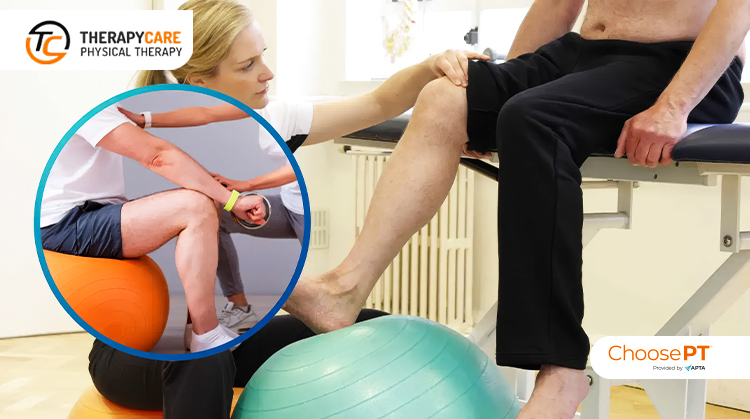
Physical therapists have extensive training to help people during GBS recovery. They help patients understand how GBS affects their ability to move safely, and how to reduce their risk for falls. Physical therapists design personalized treatment plans so people with GBS can:
Physical therapy for people with GBS typically begins in the hospital. It may continue at an inpatient rehabilitation facility, outpatient clinic, or both.
Physical therapists are movement experts. They improve quality of life through hands-on care, patient education, and prescribed movement. To find a physical therapist in your area, visit Find a PT.
Guillain-Barré syndrome is a rare condition where a person’s immune system attacks their nerves. It destroys the insulation layers around the peripheral nerves (those outside the brain and spinal cord). GBS may lead to changes in strength and the ability to:
GBS can cause damage that results in serious health problems. These problems may include, but are not limited to:
Quite often, GBS occurs after a viral or bacterial infection due to:
The risk of developing GBS after a flu vaccine is not conclusive among recently published evidence. If you have concerns about vaccinations and the risk for GBS, talk to your primary care provider.
Signs and symptoms of GBS may include:
Many other conditions have symptoms like those of Guillain-Barré syndrome. If you experience any of these symptoms, seek medical care for a proper diagnosis.
Physicians diagnose GBS by reviewing your medical history and checking for different signs and symptoms. They also will assess the results of blood work or spinal fluid tests (often done in the hospital). Physical therapists evaluate you to determine your rehabilitation needs.
Your physician will determine which medical treatments will benefit you based on your diagnosis. Medical treatments that may speed your recovery or lessen the severity of symptoms may include:
A physical therapist will assess your condition by examining your:
GBS requires a team approach to treatment that includes physicians and physical therapists. Your physical therapist will work with your other health care providers to ensure the best care for your needs and goals.
Physical therapy treatment for people with GBS should begin as soon as possible following diagnosis. It likely will begin in the hospital and span several settings. Physical therapists may treat you in:
Physical therapists can provide a variety of treatments to address the symptoms of GBS. These will include activities to improve function and patient education. They will work with you to set goals based on your needs and how you are progressing.
Your physical therapist will work with you to design a specific treatment program to improve your recovery. Your program will include guided exercises and treatments in the clinic. It also will include exercises you can do on your own. Physical therapy can help you return, as much as possible, to your previous lifestyle and activities. Recovery from GBS varies for each person, but typically takes weeks to months. For some people, recovery will continue for up to a few years after diagnosis.
Physical therapists use research-based, hands-on treatments (manual therapy) and activities to empower you and maximize your recovery from GBS.
Your physical therapist will design your treatment plan to help improve your:
Comfort level. GBS may cause pain or discomfort. Your physical therapist can show you how to position your body for better comfort when seated, lying down, or moving. They may use gentle heat or electrical stimulation to help decrease pain and improve your symptoms. Your physical therapist will teach you exercises and pain management techniques to relieve discomfort. All these options may reduce or eliminate the need for pain medications, including opioids.
Skin and joint protection. If GBS limits your mobility, your physical therapist will check your skin often to make sure it stays healthy during recovery. They may apply splints to parts of your arms and legs to protect your joints from contracting and keep them gently stretched. They also can teach you (and your caregivers) ways to care for and protect your skin. Following this advice can help to avoid pressure ulcers or wounds.
Walking ability. Your physical therapist can help you improve your ability to walk. They may use gait training, balance activities, and strengthening exercises. Some people with GBS have nerve damage (neuropathy) that lingers long after the initial illness. Your physical therapist can teach you techniques to make it easier or safer for you to walk. You may need to use a walker or cane for some time. Your physical therapist also may work with an orthotist who can provide bracing or supports to improve your function and independence.
Wheelchair training. A wheelchair may improve your independence while you work to regain your walking ability. Your physical therapist will help to determine if you need a wheelchair and what type will work best for you. Temporary use of a wheelchair can help maximize your function as you continue to recover.
Aerobic ability. Research shows that aerobic exercise, such as walking on a treadmill for at least 20 minutes, three times per week, can:
Your physical therapist can assess your aerobic capacity and find the best activities for you. They will teach you how to conserve energy and avoid overworking your body to help healing occur. Conserving energy also can help you avoid a relapse. A physical therapist can help you improve your endurance through monitored aerobic activities such as walking and stationary cycling.
Some people with GBS require a ventilator or additional oxygen to help them breathe. These patients, and those who spent more than two days in intensive care, may develop post-intensive care syndrome. PICS symptoms include physical, cognitive, and mental health conditions that physical therapy can help to address.
Your physical therapy treatment plan will be designed to help with:
Joint mobility. Your physical therapist will guide you through activities to help restore movement in any stiff joints and muscles. These might begin with “passive” motions your physical therapist performs for you. You will progress to doing active exercises and stretches yourself. Doing these exercises at home, when able, can help improve your range of motion and decrease pain related to stiff joints.
Ability to move around. Your physical therapist will teach you how to move around safely. If needed, they will help you regain your ability to:
They also will teach your caregivers how to safely help you move.
Flexibility. Your physical therapist will assess if any muscles are tight. They will help you improve your flexibility and mobility with gentle exercises. If needed, they will teach your family how to help you with these activities.
Strength. GBS can lead to weak or injured muscles. Your physical therapist will teach you the right exercises to restore your strength and ability to move around.
Coordination. Your physical therapist will help you improve and regain your coordination and agility as needed. This will help you return to doing home, community, and sports activities with greater ease.
Balance. Your physical therapist will examine your balance. They will guide you through specific exercises to improve your balance. This will help to prevent falls. Your physical therapist may teach you how to use a cane or walker, if needed, to improve your balance.
Independent activities. Your physical therapist will choose exercises to help restore your ability to do daily activities. They will teach you specific strengthening, stretching, balance, and pain-reduction exercises to do on your own.
Participation in favorite activities. Over time, your physical therapist can help you return to the activities you enjoy. They will design a complete rehabilitation program specific to your needs and goals.
Family support. It is important for your family to understand your condition, for your benefit and theirs. Your physical therapist can educate them on how to best support you during your recovery.
Equipment use. You may need equipment (such as a cane, walker, wheelchair, or bracing) while you recover. Your physical therapist can work with your other health care providers to identify what equipment you may need. They also can help order it for you.
There is no known way to prevent GBS. Early diagnosis and physical therapy can be extremely helpful to maximize your recovery. If you experience symptoms, such as progressive weakness or trouble swallowing and breathing, seek urgent medical care.
You may be able to reduce your risk of a GBS recurrence by following all medical advice from your doctor. Additionally, it is helpful to know whether you developed GBS after a specific virus or vaccine.
As you recover, it is vital to follow the guidance from your physical therapist to:
All physical therapists are prepared through education and experience to treat people who have Guillain-Barré syndrome. You may want to consider:
You can find physical therapists in your area with specific clinical expertise and credentials by using Find a PT, provided by the American Physical Therapy Association.
General tips when you’re looking for a physical therapist (or any health care provider):